Pre-Workout for Beginners: How to Use It Safely
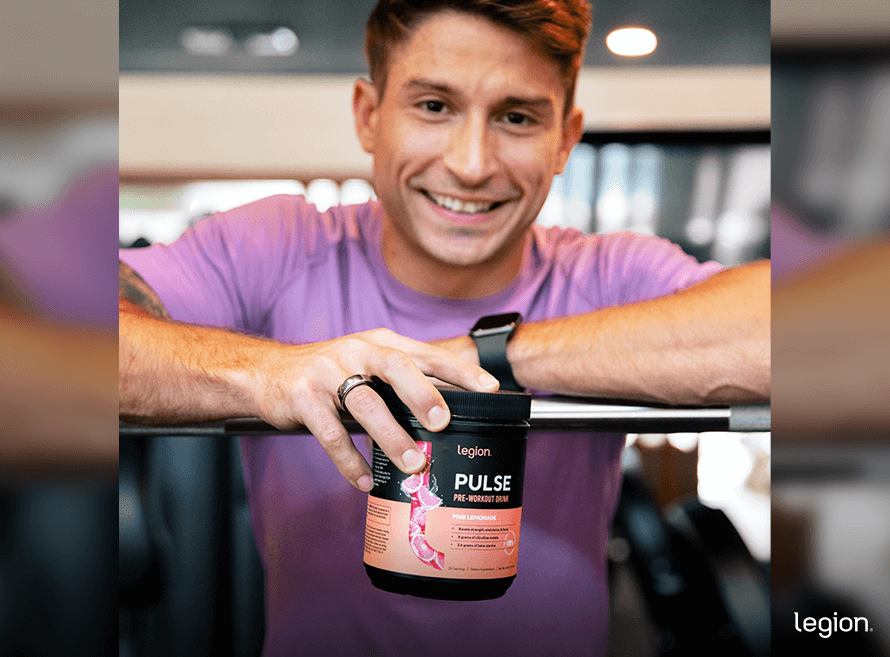
Pre-workout can be a confusing supplement when you’re a beginner weightlifter.
You’ll hear that you don’t need it to make progress—and that’s true. You’ll also hear people say it makes their workouts feel easier, more focused, and more productive—which can also be true.
To make matters worse, once you start looking at specific pre-workout products themselves, the advice gets even more fragmented.
Some people claim certain ingredients don’t work at all. Others warn you to avoid different ingredients because they cause unwanted side effects. Dosing advice is all over the place, too, and labels often make things even harder to get your head around.
At the root of all this confusion is the fact that very little of the advice about pre-workout is written for beginners. And that means few understand which ingredients actually matter when you’re starting out, how to take pre-workout safely the first time, and what to avoid altogether.
That’s exactly what this article covers.
Key Takeaways
- Pre-workout isn’t necessary for beginners, but when used correctly it can improve energy, focus, and overall workout quality.
- Most negative beginner experiences with pre-workout come from taking too much, taking it at the wrong time, or choosing poorly formulated products.
- Beginners should start with half a serving, adjust based on how they feel, and avoid stimulant-based pre-workouts if they train late and want to avoid sleep issues.
- A good beginner pre-workout uses a small number of proven ingredients at effective doses, with clear labeling and no proprietary blends or unnecessary fillers.
- For a pre-workout that uses clinically effective doses of research-backed ingredients, contains no unnecessary junk, and is third-party tested for potency and accuracy, try Pulse.
- Pre-Workout for Beginners: What It Is and What It Does
- Should Beginners Take Pre-Workout?
- How to Start With Pre-Workout (First-Time Protocol)
- What to Look for in a Good Beginner Pre-Workout
- What to Avoid in Pre-Workout for Beginners
- Pre-Workout Side Effects Beginners Should Know About
- How to Choose the Best Pre-Workout for Beginners
- The Bottom Line on Pre Workout for Beginners
- FAQ #1: Should I take pre-workout as a beginner?
- FAQ #2: What’s a good pre-workout for a beginner?
- FAQ #3: How much pre-workout should a beginner take?
- FAQ #4: How to start with pre-workout?
- FAQ #5: How to take pre-workout?
- Want More Content Like This?
Table of Contents
+Pre-Workout for Beginners: What It Is and What It Does
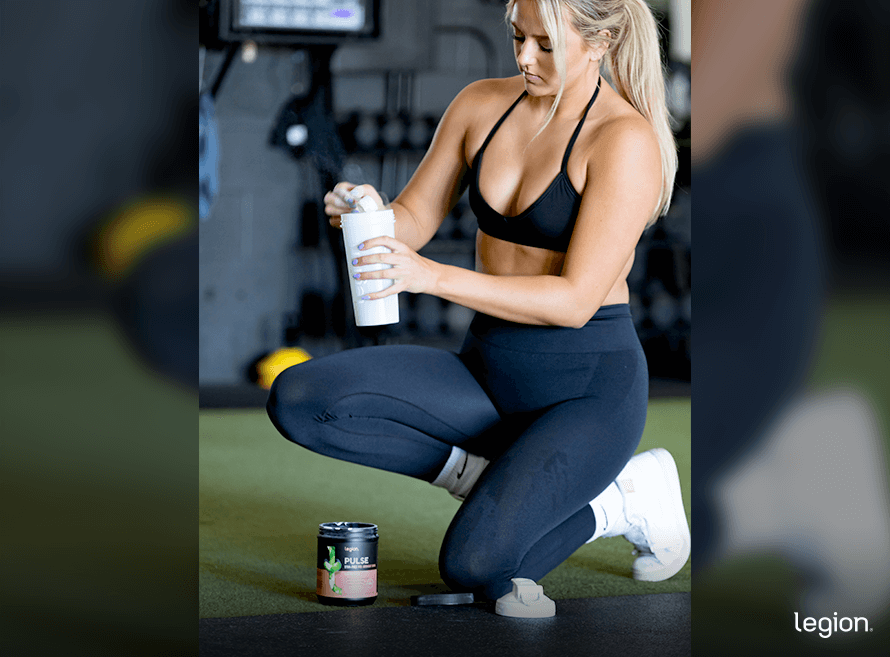
Pre-workout is a supplement you take before training to help you feel more energized and focused during your workout.
It usually does that in a few main ways:
- Increase energy and alertness: This is usually the stimulant part of the formula (often caffeine). The goal is to feel more “awake,” more driven, and less bothered by fatigue.
- Improve focus: Some ingredients help you concentrate and stay locked in, especially on days when motivation is low or your brain is somewhere else.
- Boost “pump” and performance: Many formulas include ingredients meant to support blood flow during training. People often describe this as better muscle “pump,” but the practical point is that hard sets can feel a bit more manageable.
- Increase endurance: Some ingredients are included to help you squeeze out extra reps or keep your output higher across a full workout.
To learn more about what pre-workout feels like, check out this article:
What Does Pre-Workout Feel Like?
Should Beginners Take Pre-Workout?
You can take pre-workout as a beginner, but you don’t need it. If your training is consistent, your program makes sense, and you’re sleeping and eating well, you can make great progress without any supplements at all.
That said, pre-workout can be useful if one of these is true:
- You train early and you’re groggy: A small dose of stimulants can make it easier to get moving and push hard when you’d otherwise coast.
- You struggle to “flip the switch” in the gym: Some people have plenty of motivation, but their focus is all over the place. A good pre-workout can make it easier to lock in.
- You’re dragging at the end of the workout: If you tend to fade halfway through training, the right formula can help you maintain your output.
When Beginners Should Skip Pre-Workout
There are also times when beginners should skip pre-workout. For example, if you train late in the day and taking it would interfere with sleep, or if you’re using it to push through fatigue caused by not sleeping enough.
In those situations, it’s usually better to adjust the approach.
If you train late, a stim-free option makes more sense. And if you’re using pre-workout to mask tiredness, you’ll get far more mileage from fixing the underlying sleep issue than from adding another supplement.
There’s one more factor to consider as a beginner: caffeine. If you’re highly sensitive to it, a full dose of a high-stim pre-workout can be a bad time. The good news is you have options: you can start with a smaller dose (more on this soon), or use a stim-free pre-workout to get performance benefits without the downsides.
How to Start With Pre-Workout (First-Time Protocol)
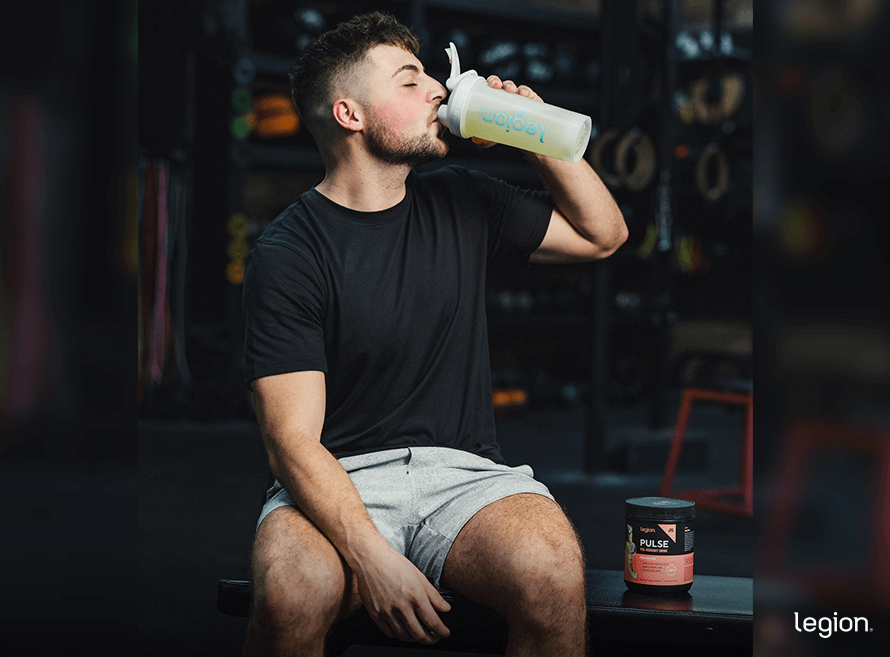
Most bad “pre-workout experiences” happen for the same reasons: people take too much too soon, take it at the wrong time, or take it on an empty stomach—without knowing how they react to stimulants.
To avoid that, use this simple first-time protocol:
How Much Pre-Workout Should a Beginner Take?
The first time you use pre-workout, take half a serving.
In other words, if the label says one scoop, take half a scoop. This gives you a chance to see how you respond to the formula—especially caffeine—before you take a full dose.
Then adjust based on how you feel:
- If you feel fine (and you slept normally), increase next time to ¾ of a serving if you want to be extra cautious, or go straight to a full serving.
- If you feel a little jittery, nauseous, or “wired,” stick with the lower dose for another workout or two. Those side effects often fade as your tolerance builds.
When to Take Pre-Workout
Take your pre-workout 30–60 minutes before you train to ensure the ingredients kick in as you begin your hard sets.
The only exception is if you train late in the day. Caffeine’s effects last for several hours, so taking pre-workout in the evening can disrupt your sleep. In that case, it’s usually better to avoid stimulant-based pre-workouts and use a stim-free option instead.
What to Look for in a Good Beginner Pre-Workout
A good beginner pre-workout doesn’t need dozens of ingredients. It needs a small number of proven compounds, included at doses that actually work.
Below are the ones worth paying attention to.
Caffeine
Caffeine is the main stimulant in most pre-workouts. It increases resistance to fatigue, boosts strength and power, reduces perceived effort, and improves cognition and alertness.
Research shows that the clinically effective dose of caffeine is 3–6 mg per kilogram of body weight, with 5–6 mg per kilogram generally accepted as the “optimal” dose for maximizing benefits while avoiding unwanted side effects.
L-Theanine
L-theanine is an amino acid often paired with caffeine. It reduces the effects of mental stress, promotes relaxation and restful sleep, and improves mood, memory performance, and attention when paired with caffeine.
The clinically effective dose of L-theanine is 100–400 mg per day. When paired with caffeine, aim for a 1:1 to 2:1 theanine-to-caffeine ratio.
Citrulline Malate
Citrulline malate is a combination of the amino acid L-citrulline and malic acid. It improves muscle endurance, relieves muscle soreness, and boosts aerobic performance.
The clinically effective dose of citrulline malate is between 4 and 10 grams, with most research showing doses at the higher end of this range are best.
Beta-Alanine
Beta-alanine is an amino acid that increases the amount of work muscles can do before they fatigue, improves anaerobic exercise capacity, and increases muscle endurance.
The clinically effective dose of beta-alanine is between 2.6 and 6.4 grams, with most research showing that you can get the majority of the benefits with the lower end of this range (around 3–4 grams).
Alpha-GPC
Alpha-GPC is a compound that increases power output and also mitigates cognitive decline as we age
The clinically effective dose of alpha-GPC is between 150 and 1,200 mg, with 250–500 mg sufficient for ergogenic and cognitive benefits, and higher doses required for reducing the symptoms of dementia.
Betaine
Betaine is an amino acid that boosts muscle endurance and increases strength. The clinically effective dose of betaine is between 1.25 and 2.5 grams.
What to Avoid in Pre-Workout for Beginners

If you’ve ever looked at the ingredients label of a pre-workout supplement, you know that most contain a lot more than the six listed above.
The truth is that most of these ingredients are either scientifically unsupported or proven not to work.
Here are the ingredients beginners don’t want in your pre-workout supplement:
Proprietary Blends
A proprietary blend (sometimes called a “complex” or “matrix”) is a unique mix of ingredients that a particular supplement manufacturer uses.
In the ingredients panel of a supplement containing a proprietary blend, manufacturers list the individual components of the mixture but don’t disclose how much of each ingredient they include.
They claim this prevents competitors from copying their formulas. In reality, it allows manufacturers to underdose expensive ingredients and pad their products with cheap, ineffective ones.
For beginners trying to dial in tolerance and dosing, this lack of transparency is a dealbreaker.
Underdosed Ingredients
Because proprietary blends have gotten so much criticism, many companies now list every ingredient with its dose. At first glance, that looks transparent—but it often isn’t.
Listing a dose doesn’t mean it’s large enough to work. Manufacturers frequently include ingredients at a fraction of the amounts shown to be effective, betting that most people won’t know or check.
The best way to spot effective dosing is to compare the label to the research the company cites—which should be easy to find if they’re confident in their formulation.
If you don’t want to dig through studies yourself, resources like the Legion blog and Examine summarize the evidence and list effective doses for hundreds of ingredients.
Unsupported Ingredients
Many pre-workouts include exotic-sounding compounds with little scientific backing. If an ingredient doesn’t have multiple high-quality human studies—or better yet, a meta-analysis or two—supporting its use for strength, power, or endurance, it’s probably not worth taking.
Artificial Sweeteners, Flavors, and Dyes
While artificial sweeteners may not be as dangerous as some people claim, studies suggest that consuming them regularly may harm your health. Thus, it’s a good idea to consume them in moderation or, if possible, not at all.
Luckily, natural sweeteners like stevia are perfectly good alternatives that may even confer health benefits.
As with artificial sweeteners, artificial food dyes aren’t a hazard per se, but studies show they can cause negative effects in some people, including gastrointestinal toxicity and behavioral disorders.
And while most research shows artificial flavors aren’t harmful, they aren’t necessary. Natural flavors taste equally good.
Fillers
Fillers are ingredients added to improve texture, extend shelf life, and bulk up the product, but they don’t boost your performance in any way.
They’re not usually harmful, but they’re also completely unnecessary. At best they add chemicals you don’t need, and at worst they can cause stomach upset.
They’re especially problematic in proprietary blends because they allow manufacturers to pad out their product with inactive ingredients instead of with compounds that actually help you perform better.
In other words, manufacturers use fillers to prioritize profit and appearance over quality, which is why it’s best to avoid them.
Vitamins and Minerals
Vitamins and minerals in pre-workouts are usually more about marketing than performance. They make the label look comprehensive and “healthy,” but they don’t provide any immediate boost to energy, strength, or endurance, especially if you already eat a healthy, balanced diet.
Pre-Workout Side Effects Beginners Should Know About
Most pre-workout side effects aren’t dangerous—but they can feel unusual, especially if you’re new to it.
The good news is that almost all the side effects beginners experience are dose-related. In other words, they usually happen because you took too much, took it too late, or stacked it with other stimulants.
Here are the main ones to be aware of:
- Jitters and anxiety: Feeling shaky, restless, or overly “amped” is common when your stimulant intake is too high, especially if you take pre-workout on an empty stomach.
- Sleep disruption: Caffeine and other stimulants can stay active for hours. If you take pre-workout too late in the day, you may disrupt your sleep.
- Increased heart rate: A faster heartbeat or slight increase in blood pressure can occur, particularly if your pre-workout contains a large dose of caffeine or if you stack pre-workout with other caffeine sources.
- Tingling skin (paresthesia): A harmless tingling or itching sensation, especially in the face, hands, or arms, is common when you take beta-alanine. It might feel weird, but it’s not dangerous and usually fades within an hour.
- Digestive issues: Some people notice an urgent need to use the bathroom after they take pre-workout. This is often linked to caffeine and taking pre-workout on an empty stomach.
- Headaches: Headaches can happen if you take more caffeine than your body tolerates or if you’re dehydrated, which caffeine can contribute to.
Most side effects are mild and predictable—they’re dose-related and easy to fix once you know what to adjust. And if you want to learn how to minimize your odds of experiencing side effects, check out this article:
Common Pre-Workout Side Effects (And How to Reduce Them)
How to Choose the Best Pre-Workout for Beginners
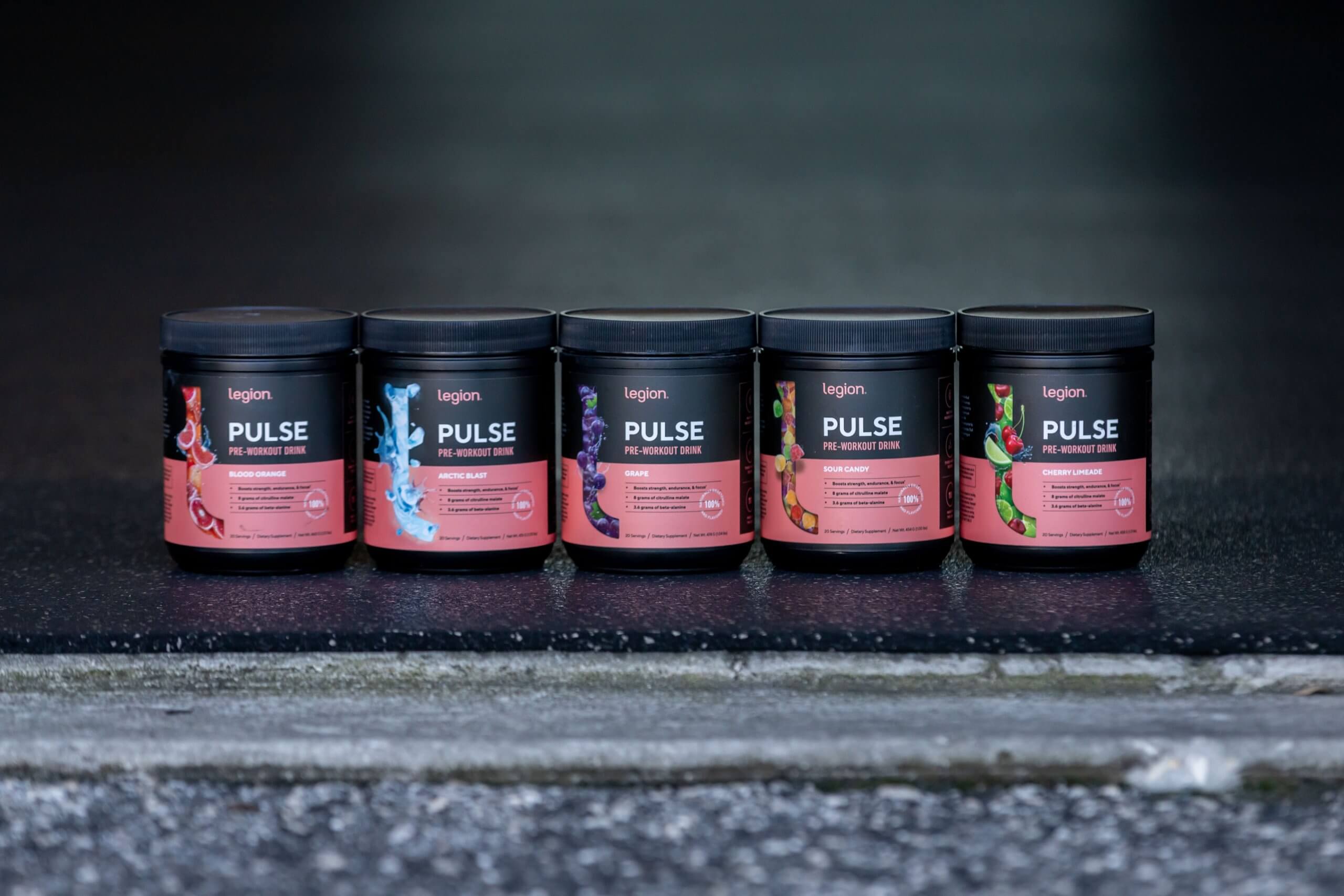
The first thing to look for in a beginner pre-workout is clinically effective dosing of science-backed ingredients. In other words, you want a product that contains compounds shown by research to boost performance, in doses large enough to work while minimizing the risk of side effects.
It’s also smart to choose brands that use independent, third-party testing to verify ingredient purity and label accuracy. Supplements without this testing are more likely to contain incorrect doses or undisclosed ingredients, which is the last thing you want when you’re still figuring out your tolerance.
Beyond dosing and testing, pay attention to what else is in the product. The best beginner pre-workouts are naturally sweetened and flavored, without added sugars, artificial sweeteners, flavors, food dyes, fillers, or other unnecessary ingredients.
And if you want a pre-workout that meets these criteria, try Pulse.
The Bottom Line on Pre Workout for Beginners
Pre-workout isn’t necessary to make progress as a beginner, but when it’s used correctly, it can help workouts feel more focused, more productive, and a little less fatiguing.
If you’re taking pre-workout for the first time and aren’t sure how your body will respond to stimulants like caffeine, start with a half dose. If you feel fine, you can take more next time.
When choosing a beginner pre-workout, look for a product with clinically effective doses of science-backed ingredients.
It also helps to choose one that’s third-party tested for purity and label accuracy, and naturally sweetened and flavored, without artificial sweeteners, flavors, or other unnecessary ingredients.
For a pre-workout that meets these criteria, try Pulse.
FAQ #1: Should I take pre-workout as a beginner?
You can take pre-workout as a beginner, but you don’t need it. If your training, sleep, and nutrition are solid, you can make great progress without supplements. Pre-workout can help with energy and focus, but it’s optional—not a requirement.
FAQ #2: What’s a good pre-workout for a beginner?
A good beginner pre-workout contains clinically effective doses of science-backed ingredients, with transparent labeling so you know exactly what you’re getting.
It should also be third-party tested for purity and label accuracy, and naturally sweetened and flavored, without artificial sweeteners, dyes, or other unnecessary ingredients.
FAQ #3: How much pre-workout should a beginner take?
Beginners should start with half a serving to see how their body responds, especially to caffeine. If you feel fine, you can increase the dose next time. If you feel jittery or uncomfortable, stay at the lower dose or reduce it further.
FAQ #4: How to start with pre-workout?
Start by taking a small dose on a normal training day. Avoid stacking it with other caffeine sources and don’t take it on an empty stomach if you’re sensitive. Pay attention to how you feel during training and later that day, especially your sleep.
FAQ #5: How to take pre-workout?
Take pre-workout 30–60 minutes before you work out to ensure its ingredients kick in when you start training. Avoid taking it late in the day if it contains stimulants, as this can interfere with sleep.
Want More Content Like This?
Check out these articles:
- Pre-Workout vs. Protein Powder: Which Is Best for You?
- Creatine vs. Pre-Workout: Key Differences & Which to Take
- Pre-Workout vs. Energy Drink: Which Is Best for You?
The post Pre-Workout for Beginners: How to Use It Safely appeared first on Legion Athletics.
https://ift.tt/iLGDYq9 January 14, 2026 at 07:00PM Legion Athletics


Comments
Post a Comment