How Much Muscle Do You Actually Lose on GLP-1s?

GLP-1 drugs have made weight loss easier—and that’s one reason some people see them as controversial.
There’s a vocal group of critics who take issue with what they represent: a faster, less effortful way to get results that traditionally required strict dieting and consistent training.
And that discomfort has fueled a wave of claims about why these drugs are supposedly a bad idea.
One of the most persistent is that they cause excessive muscle loss—enough to outweigh the benefits of fat loss. Some go further, arguing that people can even lose more muscle than fat while taking them.
At first glance, that concern isn’t entirely unreasonable. People who lose weight without drugs often adopt habits like lifting weights and eating enough protein, which help preserve muscle and support physical and metabolic health.
GLP-1 drugs, by contrast, can produce significant weight loss without requiring those habits upfront—and skipping them could make muscle loss significantly worse.
But plausibility isn’t the same as evidence.
In this article, you’ll learn what the research actually shows about muscle loss on GLP-1 drugs, how it compares to regular dieting, and what you can do to minimize any downsides.
Key Takeaways
- GLP-1 drugs do cause some lean mass loss, but so does every other form of meaningful weight loss—it’s not unique to these drugs.
- Most of the weight lost on GLP-1s is fat, not muscle. Lean mass typically makes up about 20–30% of total weight lost, with the remaining 70–80% coming from fat.
- “Lean mass” isn’t the same as muscle. It also includes water, organs, and connective tissue—so the actual muscle loss is smaller than the numbers suggest.
- Physical function often improves with weight loss, even when some lean mass is lost—because losing fat makes it easier to move and use the muscle you have.
- The best ways to minimize muscle loss on GLP-1 drugs are resistance training and eating enough protein—ideally around 0.8–1 gram per pound of body weight per day.
- Do GLP-1 Drugs Cause Muscle Loss?
- Do GLP-1 Drugs Cause More Muscle Loss Than Regular Dieting?
- Do GLP-1 Drugs Harm Muscle Strength or Function?
- How Can You Prevent Muscle Loss on GLP-1 Drugs?
- The Bottom Line on Preventing Muscle Loss on GLP-1 Drugs
- FAQ #1: Does GLP-1 reduce muscle mass?
- FAQ #2: Can strength training prevent Ozempic muscle loss?
- FAQ #3: How to keep from losing muscle mass on GLP-1?
- FAQ #4: Can you lift weights on GLP-1?
- Want More Content Like This?
Table of Contents
+Do GLP-1 Drugs Cause Muscle Loss?

GLP-1 drugs usually cause some lean mass loss. But that’s not unusual—almost any meaningful weight loss causes some loss of lean tissue, regardless of how that weight loss happens.
Before getting into the numbers, it’s worth clarifying what “lean mass” actually means because this is where a lot of the confusion comes from.
Lean mass isn’t just muscle. It also includes water, organs, connective tissue, and other non-fat tissue. So when a study says someone lost lean mass, that number includes all of those things, not just muscle.
That matters because it means muscle loss is smaller than the lean mass number suggests—muscle typically accounts for only about 55% of lean mass loss.
With that in mind, most studies show that people taking GLP-1 drugs lose far more fat than lean tissue, with lean mass making up about 20–30% of total weight lost and the remaining 70–80% coming from fat.
Some studies report lean mass losses closer to 50% of total weight lost, but these are outliers, not the norm.
Even at 20–30%, lean mass loss isn’t trivial—but it’s very different from saying these drugs make people waste away or lose more muscle than fat, the way some critics claim.
Do GLP-1 Drugs Cause More Muscle Loss Than Regular Dieting?
No—GLP-1 drugs don’t cause more muscle (or lean mass) loss than regular weight loss.
When people lose similar amounts of weight, the split between fat and lean mass loss is usually comparable—about 70–80% fat and 20–30% lean mass—whether the weight loss comes from dieting, surgery, or drugs like semaglutide and tirzepatide.
For example, in a large study conducted by San Diego Sports Medicine and Family Health Center, people taking tirzepatide lost about 21% of their body weight, and roughly 75% of that was fat and 25% was lean mass. The placebo group lost much less weight—but showed a similar 75/25 split.
That finding holds when you zoom out, too. In 2026, a team of researchers at Damascus University conducted a meta-analysis of 20 studies and found that lean mass loss with GLP-1 drugs closely matches regular, lifestyle-based weight loss—typically around 70–80% fat and 20–30% lean mass.
In fact, this pattern is so consistent that researchers often refer to it as the “quarter fat-free mass rule.”
In other words, GLP-1 drugs don’t appear to do anything uniquely harmful to muscle. They work by reducing appetite, which lowers calorie intake. When calorie intake drops, the body loses a mix of fat and lean tissue—no matter how you create that deficit.
So while losing lean mass isn’t ideal, it’s also not unique to GLP-1 drugs.
What matters is whether they cause more of it than other approaches—and based on current evidence, they don’t.
Do GLP-1 Drugs Harm Muscle Strength or Function?

GLP-1 drugs don’t automatically reduce muscle strength or function. In fact, studies show that physical function often improves as people lose weight.
That’s because excess body fat can impair movement, balance, and exercise capacity—so losing it often makes everyday movement easier.
There’s more to it than that, though.
As people gain weight and get older, fat can build up within and around muscle tissue. This is known as myosteatosis, and it’s strongly linked to reduced strength and physical function.
When people lose weight, the fat inside the muscle tends to decrease, which often helps the muscle work better—even if total lean mass goes down.
For example, after bariatric surgery, people often lose some lean mass and even some absolute strength. But their strength relative to body weight improves, along with measures of physical performance like walking speed and activity levels.
In other words, they may have slightly less muscle—but they can use it more effectively. And research shows that people who lose weight taking GLP-1s tend to follow a similar pattern.
That said, this isn’t guaranteed.
Losing some lean mass is expected during weight loss, but that doesn’t make it irrelevant. If you lose too much—or if you do nothing to preserve it—your strength, performance, and long-term metabolic health can suffer. That risk is higher in older adults and people with low muscle mass to begin with, but it isn’t limited to them.
There’s also a practical issue to consider.
GLP-1 drugs make it possible to lose a large amount of weight without changing much else about your lifestyle. That’s part of their appeal—but it may also be part of the risk.
When people lose weight the “old-fashioned way,” they often adopt habits that help preserve muscle and strength, like strength training, eating more protein, and staying active. Those habits don’t just support long-term fat loss—they also protect lean mass.
GLP-1 drugs can produce similar weight loss without requiring those behaviors first.
Put another way, the drugs themselves aren’t the problem. But if they replace the habits that normally protect muscle, greater losses of muscle, strength, and physical function become more likely.
How Can You Prevent Muscle Loss on GLP-1 Drugs?
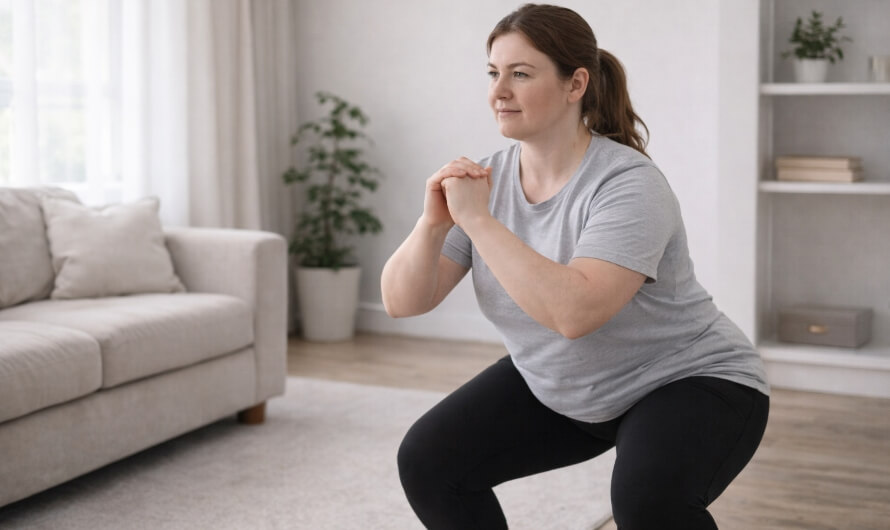
According to a 2025 review by the University of Milan, the best ways to reduce muscle loss on GLP-1 drugs are strength training and eating enough protein.
That’s consistent with decades of research on weight loss more broadly: lifting weights gives your body a reason to hold onto muscle, while eating enough protein gives it the raw materials to do so.
We don’t yet have precise data on how much this approach reduces muscle loss in people using GLP-1 drugs, but early evidence suggests it can make a meaningful difference.
In a small 2025 case series, three people taking semaglutide or tirzepatide combined the drugs with regular resistance training (3–5 sessions per week) and relatively high protein intakes (0.3–0.8 grams per pound of body weight per day).
One lost just 8.7% of total weight as lean mass, while the other two actually gained lean tissue.
That’s far from proof everyone can maintain—and possibly even gain—muscle on GLP-1 drugs. After all, it was only three people. But it does suggest the muscle loss seen in larger studies likely isn’t fixed or unavoidable.
It’s also worth noting that 0.3–0.8 grams of protein per pound of body weight per day is low compared with what most research would consider ideal for preserving muscle during weight loss. A better target is around 0.8–1 gram per pound of body weight per day.
The takeaway?
To minimize muscle loss on GLP-1 drugs, you need to lift weights, eat plenty of protein, and treat the drug as one part of the plan—not the whole plan.
The Bottom Line on Preventing Muscle Loss on GLP-1 Drugs
GLP-1 drugs do cause some lean mass loss—but so does every other form of meaningful weight loss. The evidence doesn’t support the idea that these drugs are uniquely harmful to muscle, and in most cases, body composition improves overall.
The real risk isn’t the drug. It’s using it passively—losing weight without doing the things that protect muscle along the way.
Lift weights, eat enough protein, and treat the drug as a tool rather than a solution, and the muscle loss most critics point to becomes much less of a concern.
FAQ #1: Does GLP-1 reduce muscle mass?
GLP-1 drugs usually lead to some lean mass loss, which includes muscle but also water, organs, and other non-fat tissue. Most of the weight lost is still fat, not muscle, and the typical split—around 70–80% fat and 20–30% lean mass—is similar to other forms of weight loss.
In other words, they don’t cause unusual or disproportionate muscle loss.
FAQ #2: Can strength training prevent Ozempic muscle loss?
Strength training won’t eliminate muscle loss entirely, but it can reduce it significantly. It gives your body a reason to hold onto muscle during a calorie deficit and is consistently shown to preserve more lean mass during weight loss.
FAQ #3: How to keep from losing muscle mass on GLP-1?
Avoiding muscle loss comes down to the same fundamentals as any weight-loss phase: lift weights and eat enough protein. Most evidence suggests aiming for around 0.8–1 gram of protein per pound of body weight per day and doing 3–5 strength training workouts per week.
FAQ #4: Can you lift weights on GLP-1?
You can lift weights on GLP-1 drugs, and doing so is one of the best ways to preserve muscle. The main challenge is that reduced appetite and occasional fatigue can make training and recovery harder.
That said, if you manage your nutrition and adjust your training volume when needed, strength training is safe, effective, and strongly recommended.
Want More Content Like This?
Check out these articles:
- An Evidence-Based Guide to 7 Popular Weight Loss Pills and Injections
- How Ozempic Exposed the Big Body Positivity Lie
- What Is Ozempic Butt? Causes, Prevention, and How to Fix It
The post How Much Muscle Do You Actually Lose on GLP-1s? appeared first on Legion Athletics.
https://ift.tt/eRVCTQ2 April 3, 2026 at 06:10PM Legion Athletics


Comments
Post a Comment